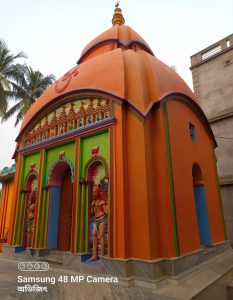
জীর্ণ মন্দিরের জার্নাল-
রাধাবল্লভ মন্দির, খণ্ডরূইগড় (দাঁতন-- ২)
চিন্ময় দাশ
আইন-ই-আকবরী'তে যাকে 'তরকোল মহাল' নামে উল্লেখ পাই, সেটি হল তুর্কাচৌর পরগণা। মেদিনীপুর জেলার দক্ষিণের এলাকায় অবস্থান সেটির। ষোড়শ শতকের একেবারে প্রথম দিকের ঘটনা। দক্ষিণ দেশের তেলেঙ্গী জাতীয় এক রাজা সেখানে রাজত্ব করতেন। রাজধানী ছিল খণ্ডরূইগড়।
করদ রাজা হয়েও, একবার কলিঙ্গরাজকে রাজস্ব দেওয়া বন্ধ করে দেন তিনি। রাজা দেবরাজ তখন কলিঙ্গের অধিপতি। বিদ্রোহী রাজাকে দমন করবার জন্য, নিজের বাহিনীর এক সেনাপতি কৃষ্ণদাস মহাপাত্রকে দায়িত্ব দিয়ে তুর্কায় পাঠিয়ে দেন।
এক দিন, দু'দিন, তিন দিন কেটে যায়, প্রবল যুদ্ধ করেও তেলেঙ্গীরাজাকে হারাতে পারছেন না কৃষ্ণদাস। রহস্য ভেদ হল রাজপুরোহিতের মুখ থেকে শুনে। রাজবাড়িতে আছেন কুলদেবী ভাগ্যেশ্বরী। তাঁর কৃপা না হলে, যুদ্ধজয় সুদূর পরাহত।
রাতভর দেবীর আরাধনা করলেন কৃষ্ণদাস। মন্দির থেকে দেবীর খড়্গ সংগ্রহ করলেন। পরদিন যুদ্ধজয় হল সহজেই। বাহিনী নিয়ে ফিরে এলেন পুরী। ভরা দরবারে দেবরাজের পায়ের কাছে প্রণামী নামিয়ে দিলেন সেনাপতি। ঢাকনা তুলতে নৈবেদ্য প্রকট হল-- বিদ্রোহী রাজার রক্তমাখা কাটা মুন্ড। দরবার ফেটে পড়ল উল্লাসে।
কৃষ্ণদাসকে উপযুক্ত পুরস্কারই দিয়েছিলেন পুরীরাজ। তুর্কাচৌর পরগণার জমিদারী সনন্দ দিয়ে খণ্ডরূই পাঠিয়ে দিয়েছিলেন তাঁকে। সেনাপতি থেকে রাজা হয়ে গিয়েছিলেন কৃষ্ণদাস। গজেন্দ্র বংশের সন্তান তিনি, নতুন পদবি নিলেন-- সিংহ গজেন্দ্র মহাপাত্র। মেদিনীপুর জেলায় নতুন এক রাজবংশের পত্তন হল সেদিন থেকে।
ষোড়শ শতকের প্রথম দিকের ঘটনা এটি। কৃষ্ণদাসের কয়েক পুরুষ পরের জমিদার ছিলেন লালবিহারী সিংহগজেন্দ্র মহাপাত্র। তাঁর প্রপৌত্র গঙ্গানারায়ণের পুত্র পঞ্চানন সিপাহী বিদ্রোহের সময় ইংরেজ শক্তিকে বিশেষ সাহায্য করেছিলেন। সেই হিসাবে, ষোড়শ শতকের সাথে কৃষ্ণদাসের হিসাবটি সামঞ্জস্য পূর্ণ।
খণ্ডরূই রাজবাড়িতে তেলেঙ্গী রাজার ভাগ্যেশ্বরী দেবীর পূজা বহাল রেখেছিলেন কৃষ্ণদাস। দেবী আজও পূজিত হন। পরে পরে একটি শিবমন্দির এবং একটি দূর্গা দালানও প্রতিষ্ঠা করা হয়েছিল এই পরিবারে। কিন্তু চৈতন্য দেবের গৌড়ীয় বৈষ্ণব ধর্মের প্রভাব শুরু হয়েছে তখন। এই পরিবারেও কৃষ্ণ আরাধনার সূচনা করা হয়। ' রাধাবল্লভ ' নামে রাধা-কৃষ্ণের মূর্তি প্রতিষ্ঠা করা হয় নতুন করে।
রাধাবল্লভের জন্য মন্দিরটি গড়া হয়েছিল শ' দুই বছর পরে। পঞ্চাননের পিতা গঙ্গানারায়ণ কিংবা পিতামহ যশোদানন্দনের সময়ে নির্মিত হয়ে থাকবে মন্দিরটি।
বিশাল আকারের এই মন্দির চারটি সৌধের গুচ্ছ। একেবারে পিছনে একটি চালামন্দির, আট-চালা রীতির। এটিতেই দেবতার আসন, গর্ভগৃহে। গর্ভগৃহের সামনে আরও একটি চার-চালা মন্দির, সেটি জগমোহন। এই দুটি সৌধের পরিমাপ-- দৈর্ঘ্য সাড়ে ৩২ ফুট, প্রস্থ সওয়া ২৬ ফুট। এই দুইয়ের মাঝখানে ২ ফুট বিস্তারের একটি অন্তরাল।
একটি নাটমন্দির ছিল জগমোহনের সামনে। এই সৌধের চিহ্নটুকুও আজ মুছে যেতে বসেছে যেন। তার আকার আরো বিশাল। পরিমাপ-- দৈর্ঘ্য সাড়ে ৩৭ ফুট, প্রস্থ সওয়া ১৯ ফুট। তিনটিরই মাথার অংশ সম্পূর্ণ বিনষ্ট। উচ্চতা মাপা যায় না। তবে পুরাবিদ তারাপদ সাঁতরা বলে গিয়েছেন-- পিছনের সৌধ দুটির উচ্চতা ছিল ২৩ ফুট, নাটমন্দির ছিল ২০ ফুট উঁচু।
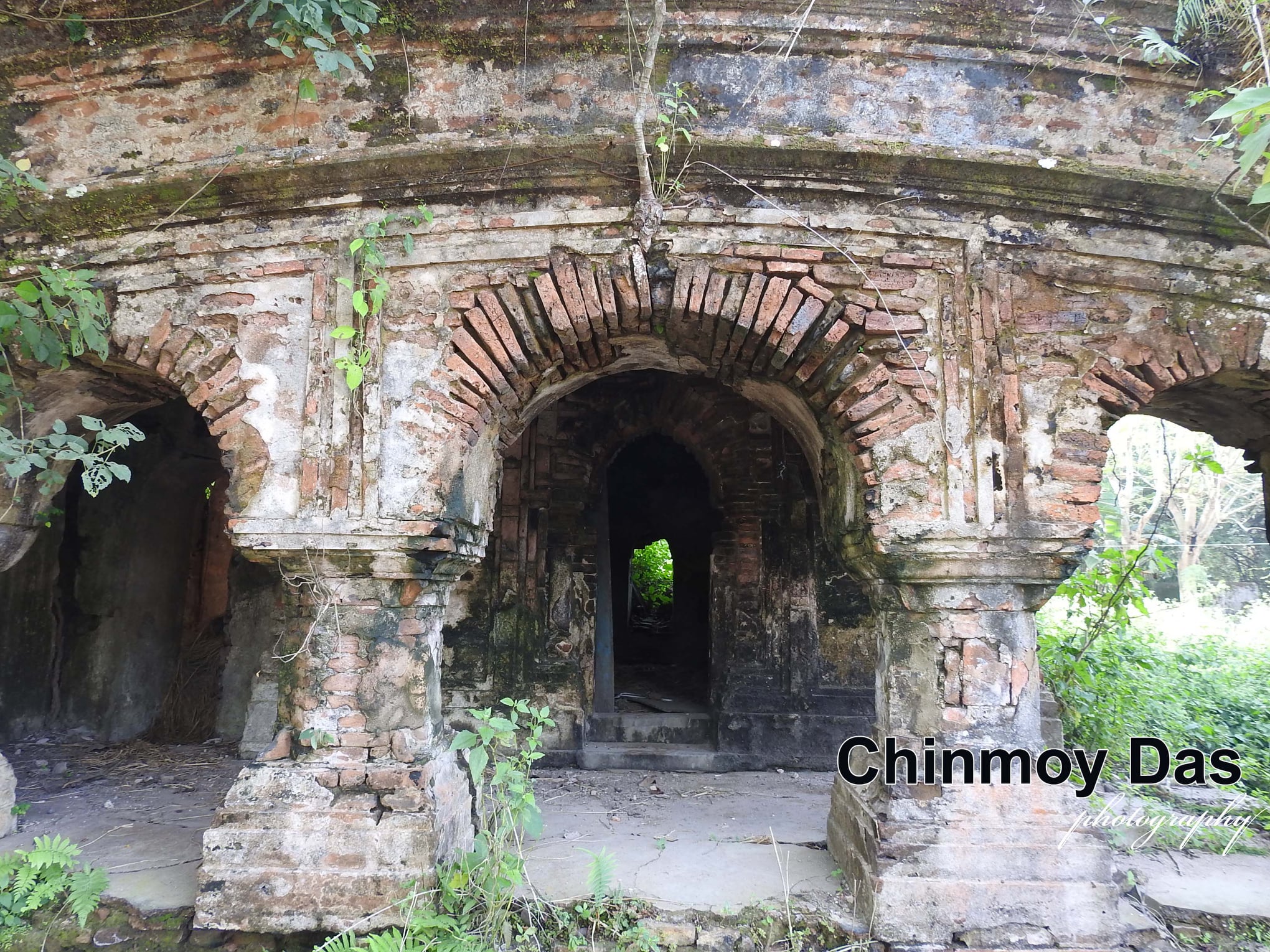
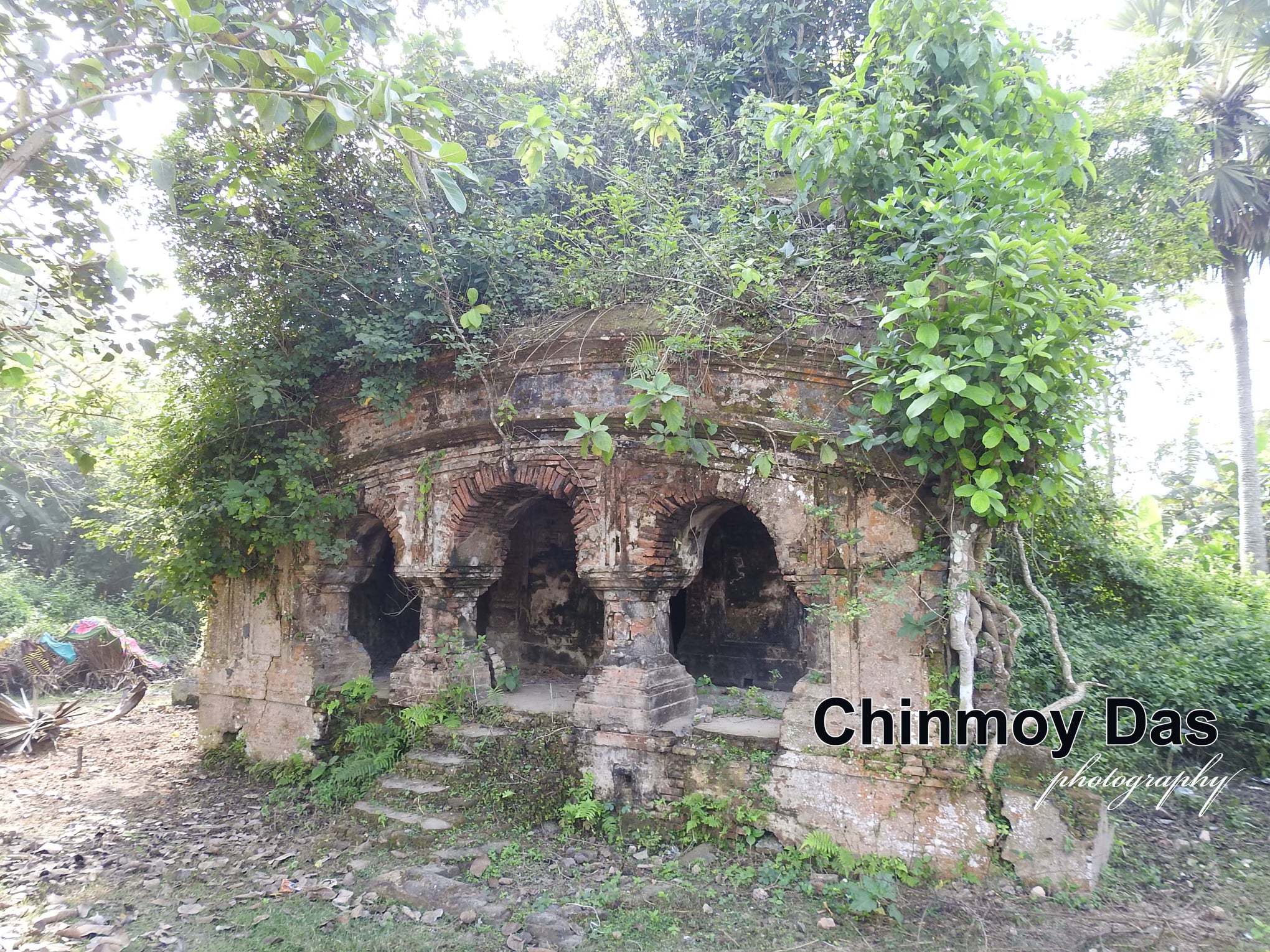
মন্দিরের তিন দিক জুড়ে তিন খিলানের দ্বারপথ সহ টানা অলিন্দ ছিল। পশ্চিমের অংশটি সম্পূর্ণ বিধ্বস্ত। থামের চিহ্নগুলি দেখা যায় কেবল। জীর্ণ দশা সিলিংগুলিরও। গর্ভগৃহে দুটি পাশখিলানের মাথায় আটটি অর্ধখিলান, সেগুলির মাথায় গম্বুজ স্থাপিত। জগমোহনে চার দেওয়ালে চারটি অর্ধখিলান। টানা-খিলান হয়েছে উত্তর ও দক্ষিণের অলিন্দে।
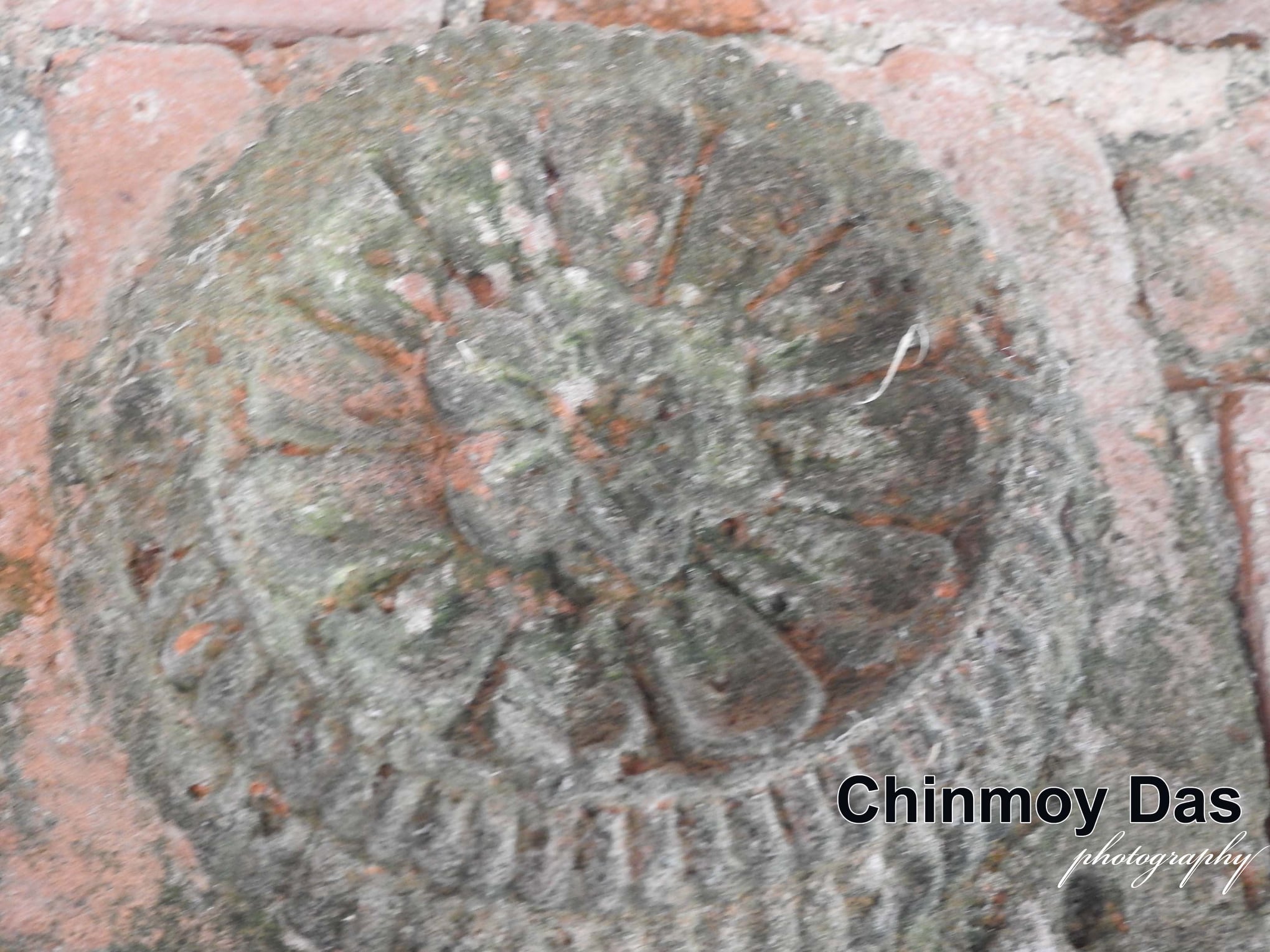
অলংকরণের প্রায় কিছুই আর অবশিষ্ট নাই এই মন্দিরে। তারাপদ সাঁতরার বিবরণে পাওয়া যায়, পাদপীঠের উপরের অংশ, স্তম্ভগুলির নিচের অংশেও টেরাকোটা ফলক ছিল একসময়। ফলকের মোটিফ-- 'শিকার-দৃশ্য, মিথুন-মূর্তি, নৃত্যরত নটী প্রভৃতি মূর্তি '। সেসকলের অধিকাংশই বিনষ্ট হয়ে গিয়েছে। কেবল উত্তরের অলিন্দের দেওয়ালে কয়েকটি জীর্ণ মূর্তি টিকে আছে কোনও রকমে। দক্ষিণের অলিন্দটি বর্তমানে সম্পূর্ণ অগম্য।
তবে, সেবাইতপরিবারথেকেজানাগিয়েছে, তারদেওয়ালেওটেরাকোটাঅলংকরণছিল।
রাধাবল্লভেরএইমন্দিরবহুকালপরিত্যক্ত।পরিত্যক্তহয়েছেপিছনেরবিশালদুর্গাদালানটিও।কুন্ডপুস্করিণীরচারপাড়েছিলপৃথকচারটিবাঁধানোঘাট-- রাধাবল্লভ, ভাগ্যেশ্বরী, দূর্গাআরশিবচারদেবতারজন্য।চারটিঘাটেরকঙ্কালগুলিকোনওরকমেটিকেআছেকিছুকিছু।জমিদারীউচ্ছেদআরগতসাতদশকেররাজনৈতিকডামাডোলএইমহাপতনেরকুশীলব।
সাক্ষাৎকার : ২০১০সালে- সর্বশ্রীদিলীপসিংহগজেন্দ্রমহাপাত্র, ইন্দ্রজিৎসিংহগজেন্দ্রমহাপাত্র-- মেদিনীপুরশহর।সুজিতসিংহগজেন্দ্রমহাপাত্র, গৌতমসিংহগজেন্দ্রমহাপাত্র, সত্যেন্দ্রনাথদাসগুপ্ত-- খণ্ডরুইগড়।
২০১৮সালে-- শ্রীশুভজিৎসিংহগজেন্দ্রমহাপাত্র-- খণ্ডরুইগড়ওমেদিনীপুরশহর।
Jirna Mandirer Jpurnal
Radhavallabh Temple, Khandruigarh (Dantan-- 2)
Chinmoy Das
The place mentioned in the Ain-i-Akbari as 'Tarkol Mahal' is the Turkachour Pargana. It is located in the southern part of the Medinipur district. It dates back to the very early 16th century. A Telugu king of the southern country ruled there. The capital was Khandruigarh.
Despite being a Karad king, he once stopped paying revenue to the Kalinga king. King Devaraj was then the ruler of Kalinga.
To suppress the rebel king, he sent one of his army's generals, Krishnadas Mahapatra, to Turkey.
A day, two days, three days passed, and despite a fierce battle, Krishnadas was unable to defeat the Telangira king.
The mystery was solved by hearing it from the mouth of the royal priest. The goddess Bhagyeswari is in the royal palace. Without her grace, victory in the war would have been far from certain.
Krishnadas worshipped the goddess all night. He collected the goddess's sword from the temple. The next day, victory in the war was easy. He returned Puri with his army. The commander bowed down at the feet of the king of gods in the crowded court. When the lid was lifted, the offering was revealed - the bloodied severed head of the rebel king. The court erupted in jubilation.
The king of Puri gave Krishnadas a fitting reward. The commander bowed at the feet of the king of gods in the crowded court. When the lid was lifted, the offering was revealed - the bloodied severed head of the rebel king. The court erupted in jubilation.
The king of Puri gave Krishnadas a fitting reward. The landlord of Turkachour Pargana had sent him to Khandrui with the permission of Sanand. Krishnadas had become a king from a general. He was a descendant of the Gajendra dynasty and took a new title - Singha Gajendra Mahapatra. From that day on, a new dynasty was established in the Medinipur district.
This happened in the early 16th century. Lal Bihari Singhagendra Mahapatra was a zamindar a few generations after Krishnadas.
His great-grandson Ganganarayan's son Panchanan was a great helper to the British during the Sepoy Mutiny. As such, Krishnadas' account is fully consistent with the sixteenth century. Krishnadas maintained the worship of the goddess Bhagyeshwari of the Telangana king at the Khandrui palace. The goddess is worshipped even today. Later, a Shiva temple and a Durga temple were also established in this family. But the influence of Gaudiya Vaishnavism of Chaitanya Dev had started then. Krishna worship was also started in this family. A new idol of Radha-Krishna was established under the name 'Radhavallabha'.
The temple for Radhavallabha was built after one hundred and two years.
The temple must have been built during the time of Panchanan's father Ganganarayan or grandfather Yashodanan.
This huge temple is a cluster of four buildings. At the very back is a chalamandir, of the eight-chala style. This is the seat of the deity, in the sanctum sanctorum. In front of the sanctum sanctorum is another four-chala temple, that of Jagmohan. The measurements of these two monuments are 32.5 feet long and 26.5 feet wide. There is a gap of 2 feet between the two. There was a theatre in front of Jagmohan. Even the trace of this monument seems to be fading away today. Its size is even bigger. Measurements: Length 37.5 feet, width 19.5 feet. The heads of all three are completely destroyed. The height cannot be measured.
However, archaeologist Tarapada Santra has said that the height of the two rear monuments was 23 feet, while the Natmandir was 20 feet high.
The temple had a long atrium with three arched doorways on three sides. The western part is completely destroyed. Only the traces of the pillars are visible. The ceilings are also in a dilapidated state. In the sanctum sanctorum, there are eight half-arches on the heads of the two side arches, with domes placed on their heads. In Jagmohan, there are four half-arches on the four walls. There are arched arches in the north and south atriums.
Almost nothing of the decoration remains in this temple. According to the description of Tarapada Santhara, there were once terracotta plaques on the upper part of the pedestal and the lower part of the pillars. The motifs of the plaques are 'hunting scenes, statues of twins, dancing dancers, etc.'
Most of them have been destroyed. Only a few worn-out statues on the walls of the northern atrium have somehow survived. The southern atrium is now completely inaccessible. However, it is known from the Sebait family that its walls also had terracotta decorations. This temple of Radha Ballava has been abandoned for a long time. The huge Durga hall at the back has also been abandoned. There were four separate ghats on the four banks of the Kund Pushkarini - for the four deities Radha Ballava, Bhagyeswari, Durga and Shiva.
Somehow, the skeletons of the four ghats survive. The evictions of landlords and the political turmoil of the last seven decades are the catalysts for this great decline.
Interview: In 2010- Sarbashree Dilip Singh Gajendra Mahapatra, Indrajit Singh Gajendra Mahapatra-- Medinipur city. Sujit Singh Gajendra Mahapatra, Gautam Singh Gajendra Mahapatra, Satyendranath Dasgupta-- Khandruigarh.
In 2018-- Shri Shubhjit Singh Gajendra Mahapatra-- Khandruigarh and Medinipur city.